

Increase in registration tax to favor electric cars
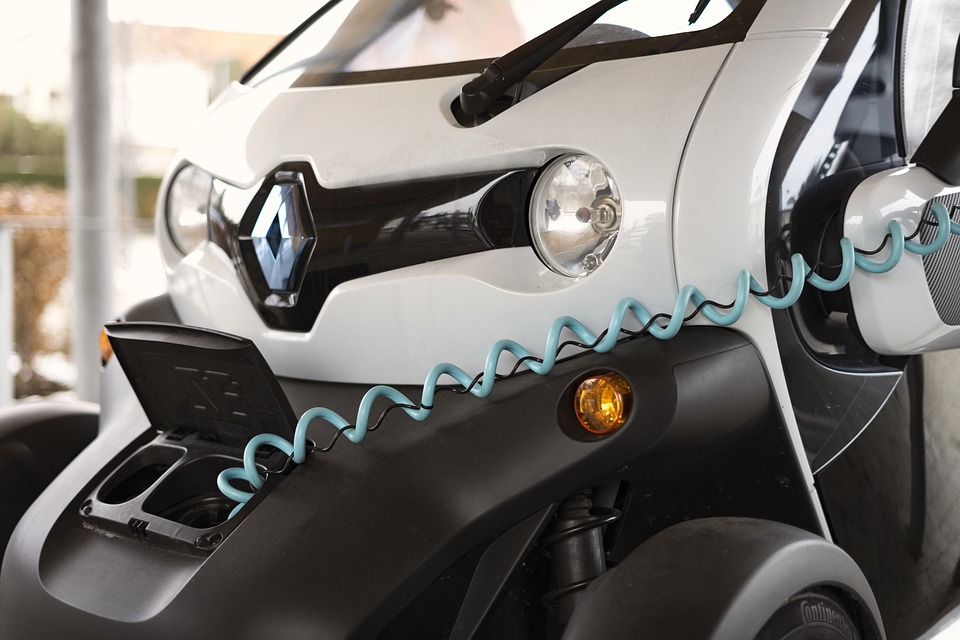
The Government will increase the registration tax to penalize vehicles that pollute more and, thus, favoring the use of electric vehicle. A series of regulatory measures are being prepared that are focused on reducing the use of private vehicles in urban environments by 35% in 2030 and interurban traffic by 1.5% annually.

Sustainable package of measures
It is a package of measures that will help generate more sustainable mobility, because it promotes teleworking, car sharing, the use of non-motorized means such as cycling or walking, etc. In addition, it includes a major tax reform of the two major taxes that drivers have to face, such as the Mechanical Traction Tax and the Registration Tax. The Government is preparing changes to both taxes that will penalize combustion vehicles, in order to accelerate the transition to electric car.
Regarding the registration tax, the Government's intention is to focus it on vehicles with lower consumption by updating the emissions brackets on which the tax is based, with the aim of bringing forward the parity of the price of electric vehicles with thermal vehicles. , which represents an increase in them.
And with regard to the reform of the tax on mechanically powered vehicles, which is collected by local entities on the basis of fiscal horsepower, the Government wants to reorient it towards a tax based on the emission of pollutants, based on the Euro standard and the DGT environmental label, penalizing all older vehicles that generate more emissions.
The European Commission is working on a broad reform of environmental taxation to guide and adapt it to the climate change commitments planned for the year 2050, to try to reduce CO2 emissions and proposing the creation of new tax figures linked to NOx emissions. , which is the combination of nitric oxide and nitrogen dioxide gases.
These measures will also focus on providing information on the electric vehicle, the price and location of charging points through all types of channels, in line with the requirements of community regulations. In addition to launching non-refundable programs that help multiply the budget, which is available to individuals and companies for the acquisition of electric vehicles.
Investment will also be made in the installation of electric charging points in service areas and work centers and the signing of agreements with car-sharing companies will be promoted. Investment will be made in energy matters and local participation in renewable projects will be promoted. Renewable gases will be promoted and a national strategy for self-consumption will be carried out. In short, very positive news for the planet and the environment, with which we will be able to reduce the emission of polluting gases thanks to the use of electric vehicle


