

By 2030 the EU sets a quota of 32% of renewable energies
After the long negotiation between the European Parliament, the Commission and the governments of the 28, an agreement has been reached on the renewable energy directive. This directive must serve as a guide to transform the European energy system in the coming years. The final agreement has stated that 32% of all energy consumed in the EU in 2030 must be of renewable origin.
According to sources from the European Parliament, this agreement also includes the creation of a fund for the development of renewable energies, with the aim of helping the coal regions of Europe. In this fight against climate change, coal is positioned as the worst way to generate electricity, this is due to the greenhouse gases it emits when it is burned.
Although this agreement is beneficial, it is also worth noting that there have been factors in the history of renewable energy that have not been so beneficial, such as the sun tax, which Greenpeace is fighting to eliminate. However, both these and other associations expected that the agreement would be for a somewhat higher percentage of 32%, although in any case, they value it as something more positive than negative.
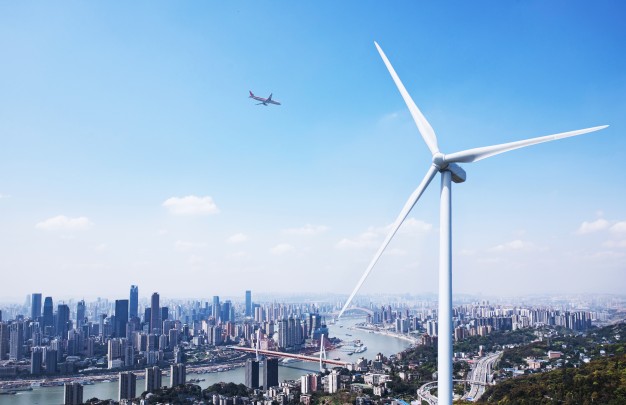
Objective of the agreement
The main objective of establishing this 32% of renewable energies by 2030 is to reach a point of understanding between the Governments of the 28 and the European Parliament. Currently, the European share of renewable energies is 17%. In this way, in addition to the specific goal, a review will also be carried out in 2023 to see that this agreement is put into practice to the extent possible.
Due to the opposition of the Governments from the beginning of the negotiation of the agreement, it has not been possible to include individual objectives for each of the States. These objectives put a lot of pressure on governments, since they have to be examined to know if they are meeting the established goals. For its part, the Commission prepares reports on the efforts made by each country and what they contribute to the objective set for the year 2030.
The Brussels Commissioner for Energy and Environment said: “This agreement is a hard-fought victory to unlock the true potential of Europe's clean energy transition. “This new ambition will help us meet the goals of the Paris Agreement and will result in more jobs, cheaper energy bills for consumers and fewer energy imports.”


