

The electric scooter, an alternative to promote sustainable mobility that is surrounded by controversy
Many users have replaced their motorcycle or walking with an electric scooter with the aim of being able to move around the city in a practical, fast, efficient and sustainable way. A way to get around without spending gasoline, without polluting and being able to get everywhere that many people have received very favorably. But on the other hand, the fact of not having very clear regulations and exposing new risks or circumstances in terms of road safety, is a type of transport that has generated some controversy.
The dispersion of municipal regulations, vandalism, complaints from neighbors and parents, focused on regulating the places allowed to circulate with electric scooters, the occupation of pedestrian places, as well as limiting speed or whether they can ride them minors, are some of the reasons why this transportation of electric mobility It is shrouded in controversy.
More and more platforms rely on electric mobility
The Cabify platform has included them in its offer through the Movo brand, which is growing with more than 20,000 electric scooters. The rental company for these scooters called Lime has also made more than 1.5 million trips in Spain (more than 100 million in 30 countries) and comprehensive maintenance and control companies have been created to facilitate this service. This sector is increasing due to the great demand from users, who demonstrated last Sunday, September 22, during World Car-Free Day, to defend this electric mobility transport against the regulations that currently limit its use.
Although not everyone agrees, since many people believe that a vehicle traveling at 30 km/h is dangerous if it goes on the sidewalk, next to pedestrians. That is why many people want to restrict the areas through which this type of electric mobility transport can pass.
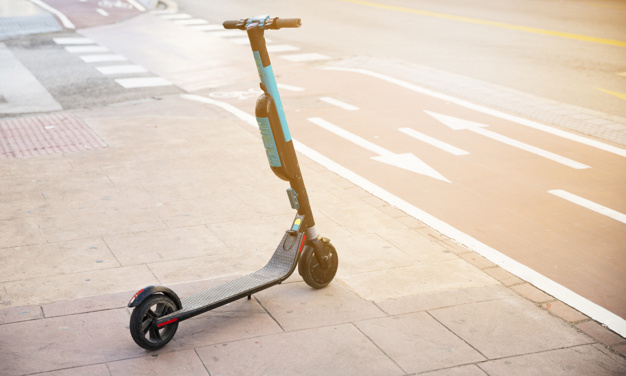
Each City Council will establish rules in its city, in order to guarantee the greatest safety for everyone, both for the user who drives the scooter and for the pedestrians who walk around it.
In Spain there is no clear regulation that stipulates the common rules for the use of electric scooters, but in other countries they have regulated it. This is the case of Germany, which since July requires that the user who drives the scooter must be at least 14 years old and also have insurance, in addition to limiting the speed to 20km/h and restricting its use to bike lanes. Belgium, Austria, Finland, Norway, Portugal and Sweden have also applied the same regulations they had for bicycles, limiting the powers allowed.
The dates and limitations planned by the DGT to restrict some models of electric scooters have been set, as they do in other European countries. Adrián García, a member of one of the personal mobility associations, defends that the electric scooter is a sustainable means, because it can complement other existing means such as the bicycle. It states that "they are electric vehicles at a price affordable to everyone, with low energy consumption and a magnificent solution to the problems of pollution, noise and congestion in cities."


